
Chattanooga Storm Damage
Intense flash storms rapidly pond water in low-elevation paved areas, escalating backflow and penetration risk into ground-level structures. When sudden deluges inundate your property, our rapid-response crew deploys industrial extractors and commercial air movers to stabilize your building. We arrive equipped to mitigate structural losses immediately.
Call (423) 555-0140 once the storm has passed.
Prefer to talk? (423) 555-0140
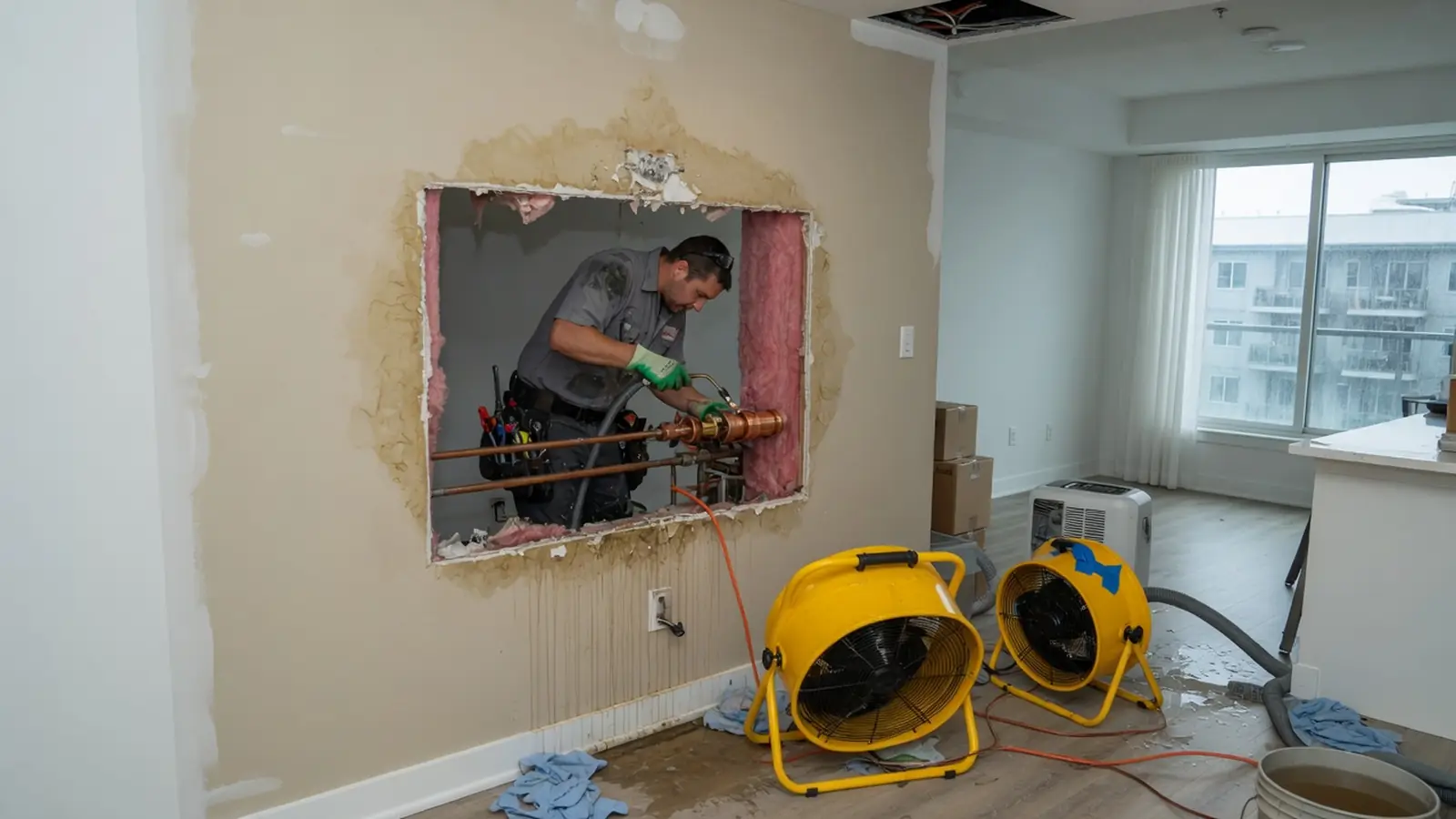
Local Structural Drying Specialists
A pattern echoed in public discussions is that extreme rain events delivering 7 inches in two hours overwhelm 50-year municipal drainage infrastructure, causing sudden flash floods in ground units.
Severe ground saturation destabilizes root systems and generates immense hydrostatic pressure against residential foundation walls throughout local lowlands and ridge cuts.
Our crew handles urgent stabilization and moisture control, providing comprehensive emergency water damage restoration services to protect structural integrity.
Homeowners often describe how heavy rain leads to recurring basement seepage and pooling water, leaving homeowners unsure whether to address exterior grading and downspouts or install interior French drains and sump pumps.
We carefully inspect foundation footings, sill plates, and crawl foundations to diagnose moisture entry before recommending containment protocols.
Every project concludes with precision moisture meter readings to ensure structural framing returns to baseline before rebuilding begins.
Our Storm Water Recovery Protocol
A pattern echoed by restoration technicians is that severe storm flooding leaves saturated wall cavities and torn-out drywall, requiring precise coordination between emergency mitigation drying and structural reconstruction.
- Emergency Site Containment. Rapid waist-deep floodwater entering ground-floor living spaces requires urgent category-3 extraction and sanitization to halt fungal growth.
- Flood Cuts And Cavity Access. As highlighted in maintenance forums, sump pump failure during heavy rainfall results in lower-level flooding, requiring flood cut drywall removal, specialized structural drying, and aggressive mold prevention.
- Industrial Dehumidification. We deploy high-volume LGR dehumidifiers and negative-air scrubbers, helping homeowners manage standing crawl space water after heavy rains to prevent rot.
- Moisture Verification And Handoff. Our technicians map thermal boundaries with infrared cameras and deliver digital moisture logs ready for structural rebuild contractors.
Science-Based Structural Drying Standards
We stand behind our structural drying protocols with rigorous moisture mapping and daily psychrometric monitoring until every stud meets verified dry standards. If microbial blooms emerge from contaminated storm runoff, you can schedule comprehensive mold remediation and containment to protect your indoor air quality. Our technicians never pack up equipment prematurely or leave wet subfloors concealed beneath new finishes.
Emergency Floodwater Extraction
High-capacity submersible pumps and truck-mounted units remove bulk storm water rapidly from basements and ground-floor living spaces. Rapid extraction halts water migration into unaffected building materials.
Cavity Drying And Flood Cuts
When contaminated runoff saturates drywall, our crew executes clean flood cuts above the moisture line. We expose damp wall cavities to targeted high-velocity airflow and heat drying systems.
Antimicrobial Treatment And Sanitization
Overland storm water introduces hazardous exterior microbes into residential structures. We apply hospital-grade botanical antimicrobials across framing, subfloors, and concrete slabs to stop mold growth.
Dedicated Storm Recovery And Structural Drying
Our team brings prompt structural drying and stabilization to flood-damaged properties across the local area. We adhere strictly to standard moisture extraction protocols and verify dry standards before reconstruction begins, without cutting corners or leaving hidden moisture behind.
- 15Zip Codes Served
- 8Service Areas
- 3Services Offered
Local property owners rely on our structural drying crews when severe weather breaches their homes. Here is what real homeowners say about our emergency response, upfront communication, and mitigation standards.
“Our closing inspection was scheduled for Friday afternoon when storm water inundated our finished basement. The crew brought in commercial dehumidifiers immediately and worked around the clock so our moisture levels passed inspection with hours to spare. We closed on our home sale without a single delay.”
Marcus T.
“Another mitigation outfit left soaked insulation inside our exterior walls and vanished after running two small fans for a day. The team came in, cut away the ruined drywall they had ignored, and thoroughly sanitized all the framing before mold could start spreading. They rescued our home from a botched repair job.”
Elena R.
“Dealing with heavy storm flooding was stressful enough without worrying about shady contractors inflating the final bill. The crew gave us a detailed line-item estimate on morning one and stuck to every single dollar without surprise change-orders. Their honesty made an overwhelming emergency manageable.”
Graham W.
“Every evening before heading out, these technicians swept the hallways, taped off containment barriers, and stacked their equipment out of our family's walkway. Having flood damage in the living area was chaotic, but them keeping the work zones tidy each night gave us peace of mind. We truly appreciated their respect for our living space.”
Danielle P.
Frequently Asked Questions
Can storm water damage be dried effectively before emergency roof tarping and exterior tree debris removal are fully completed?
No, structural drying cannot succeed while open roof punctures or exterior tree debris permit ongoing rain intrusion into the building envelope. Running industrial dehumidifiers while water continues entering wastes energy and allows moisture to spread further into dry assemblies. Mitigation specialists prioritize securing tarps over roof openings and clearing heavy branches before deploying drying equipment inside living spaces.
How long does the structural drying process take after severe storm flooding?
Complete structural drying typically requires three to five days of continuous industrial dehumidification and high-velocity air movement. Drying time depends on whether flood cuts were made promptly and how deeply moisture penetrated hardwood flooring, wall cavities, and subfloor layers. Technicians monitor daily psychrometric logs and moisture meter readings to verify when framing reaches normal equilibrium moisture content.
Does homeowner insurance cover storm flood water extraction and interior repairs?
Standard home insurance covers sudden overhead storm water damage, but overland surface flooding requires a dedicated flood insurance policy. If wind or fallen limbs tear roof shingles and allow rain into the attic, standard property insurance usually covers structural drying. However, rising groundwater or river overflow entering ground-level structures is classified as flood damage, requiring separate flood coverage or endorsements.
Why is category-3 storm floodwater considered hazardous to health?
Storm floodwaters carry soil bacteria, sewage backflow, agricultural chemicals, and toxic pathogens into indoor living environments. Any water that washes overland or backs up through floor drains is classified as Category 3 black water. Porous materials like carpet padding and wet sheetrock must be discarded immediately, followed by aggressive antimicrobial washes on framing to halt mold growth.
What are the first emergency steps to take after storm water enters a home?
Shut off electrical power to wet rooms, stop active water intrusion if safe, document damage with photos, and contact mitigation experts. Never step into standing water if electrical outlets or wiring are submerged. Once safety is confirmed and photographs are taken for your insurance adjuster, immediate extraction must begin within twenty-four hours to prevent secondary structural rot.